Tanzania Safaris
Safaris in northern Tanzania, planned from Arusha: the Serengeti, Ngorongoro Crater, Tarangire and Lake Manyara, as private trips built around your dates.
Safari styles
Safaris
- 3-Day Tarangire, Lake Manyara and Ngorongoro Safari
- 4-Day Tarangire, Serengeti and Ngorongoro Safari
- 5-Day Family Safari in Tanzania
- 6-Day Classic Tanzania Safari
- 7-Day Great Migration Calving Safari
- 7-Day Great Migration River Crossing Safari
- 11-Day Kilimanjaro Machame Climb and Safari
- 13-Day Kilimanjaro Lemosho Climb and Safari
Where do Tanzania safaris go?
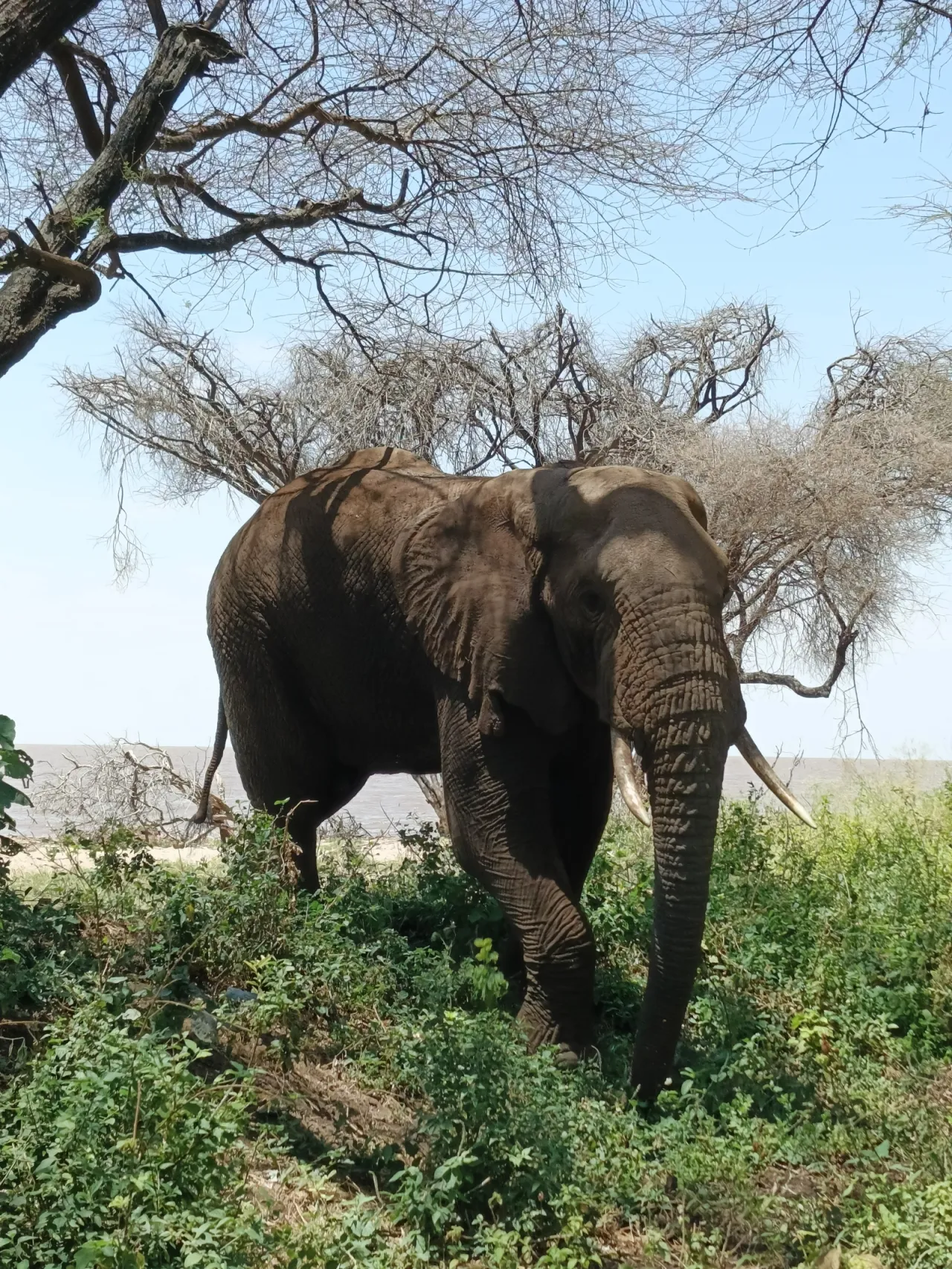
Most safaris start in Arusha and follow the northern circuit. Tarangire is known for its large elephant herds and baobab trees. Lake Manyara sits below the Rift Valley escarpment. The Ngorongoro Crater is a huge volcanic caldera with dense wildlife on its floor. The Serengeti's open plains are home to the Great Migration and large numbers of predators.
A first safari often combines three or four of these over five to eight days. You can see each destination in detail.
When is the best time for a safari in Tanzania?
The long dry season, roughly June to October, is the classic time: vegetation thins out and animals gather near water, which makes them easier to find. January to March is calving season in the southern Serengeti. The migration's river crossings in the northern Serengeti typically happen between July and October, but the herds move with the rain, so timing varies from year to year.
Frequently asked questions
How many days do I need for a safari in Tanzania?
Four to five days covers Tarangire, the Ngorongoro Crater and a short stay in the Serengeti. Six to eight days lets you spend more time in the Serengeti, where distances are long.
Can I combine a safari with climbing Kilimanjaro?
Yes. Many travellers go on safari after the climb, when resting in a vehicle is exactly what tired legs need. See Kilimanjaro and safari trips.
Will I see the Big Five?
Lion, leopard, elephant and buffalo are regularly seen in the northern parks, and the Ngorongoro Crater is one of the best places to see black rhino. Wildlife is wild, so sightings are never guaranteed.